How-to
How to store luxury skincare: heat, light and the bathroom
Published
Short answer
Store luxury skincare somewhere cool, dry and out of direct sunlight, with lids and caps closed tightly after each use. A bedroom drawer or cupboard is usually better than a sunny windowsill or a steamy bathroom. You do not need a fridge unless the box says to refrigerate. Use opened products within the period after opening printed on the pack.
Products for this step
All 7 picks compared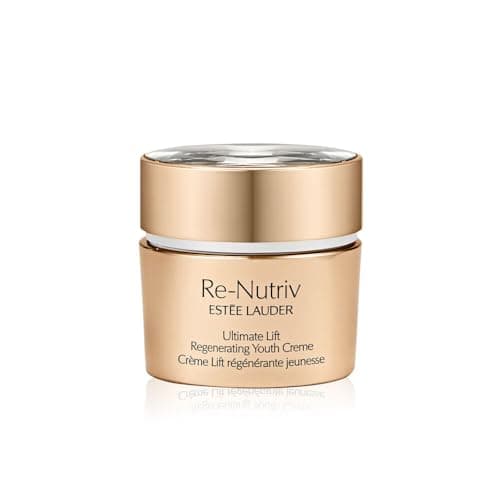
Estee Lauder Re-Nutriv Ultimate Lift Youth Cream, 1.7 oz
50 mlSee price on AmazonSee it on Amazon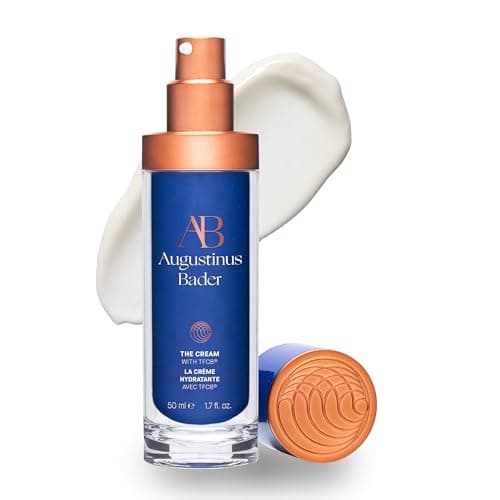
Augustinus Bader The Cream, 50 ml, morning and evening
50 mlSee price on AmazonSee it on Amazon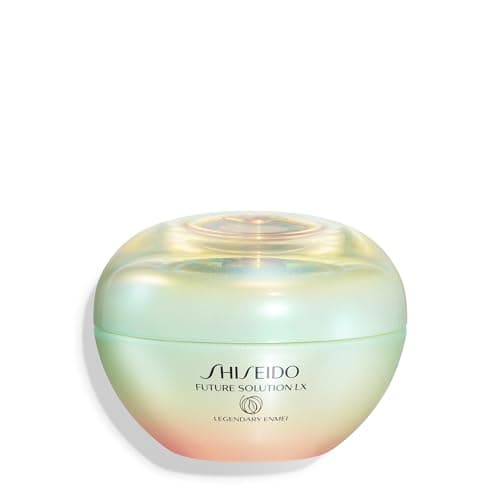
Shiseido Future Solution LX Legendary Enmei cream, 50 ml
50 mlSee price on AmazonSee it on Amazon
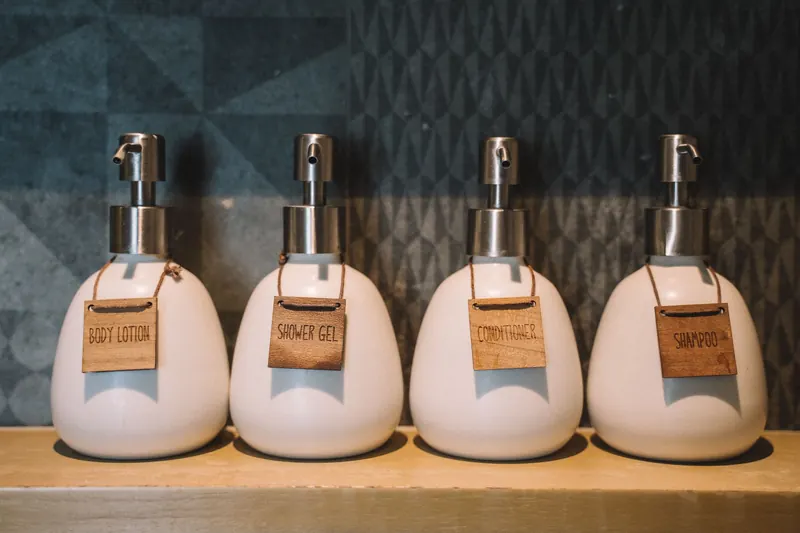
When a jar of cream costs several hundred dollars, it makes sense to look after it. Storage does not need special equipment, just a few habits: keep products away from heat and light, close them properly, keep fingers out of jars, and use them within the time the brand prints on the pack. This page covers where to keep skincare, the bathroom question, what brands commonly say about fridges, how to handle jars and spares, and how to travel with expensive products.
The three basics: cool, dark, closed
Most skincare is made to be kept at normal room temperature. The things that commonly affect a product over time are heat, light and air. Heat can change the texture of creams and make some emulsions separate. Light, especially direct sun, can affect some ingredients and packaging. Air and moisture get in every time a lid is left open.
So the rule is simple: a cool spot, out of direct sun, with the lid or cap on tight. Opaque and airless packaging, which many luxury brands use, helps, but it does not replace good storage. Always follow any storage note printed on the box, since brands know their own formulas.
- Cool: normal room temperature, away from radiators, heaters and hot cars.
- Dark: a drawer, cupboard or box, not a sunny windowsill.
- Closed: lids, caps and pump covers back on right after use.
- Clean: use a spatula for jars and keep dropper tips off the skin.
Is the bathroom a bad place for skincare
A bathroom is not ideal for long-term storage, mainly because of steam and warmth from showers. Humidity and heat swings are the conditions you are trying to avoid. A bathroom cabinet away from the shower is better than an open shelf next to it, and a closed cupboard in the bedroom is better still.
A practical setup is to keep the products you use daily in a closed cabinet, and to keep backups and spares in a bedroom drawer or wardrobe. That way, unopened stock is away from steam until you need it.
Should skincare be refrigerated
Usually not. Most creams, serums and essences are designed to stay stable at room temperature, and there is no need to refrigerate them unless the pack says to. Some products are labeled for cool or refrigerated storage, and for those, the box is your guide.
If you like a cool feel, a dedicated skincare fridge or a regular fridge is a personal choice, not a requirement. Be aware that very cold temperatures can change the feel of some rich creams and balms, making them firmer, and that moving products in and out of the cold can cause condensation on jars. If your box says store below a certain temperature, or do not refrigerate, follow it.
Note.When a brand gives a storage instruction on the box, follow the brand. This page gives general habits only.
Handling jars, droppers and pumps
How you take product out matters as much as where you keep it. Jars are opened every day, so they get the most exposure to air and fingers. Use the spatula if one is included, such as the silver spatula the La Prairie Skin Caviar Luxe Eye Cream listing describes, or a clean one of your own. See how to use a cream jar spatula.
With dropper bottles, do not touch the dropper to your face or fingers, and screw the cap back on firmly. With airless pumps, keep the pump head clean and put the cap back on. If a pump stops working, see airless pump not working before trying to open it.
- 1
Wash and dry your hands before opening a product.
- 2
Take product out with a spatula, the dropper or the pump.
- 3
Put the amount you need on the back of the hand or fingertips, not back into the jar.
- 4
Wipe the rim if product has collected there.
- 5
Close the lid or cap straight away.
Period after opening and batch codes
Most skincare carries a period after opening symbol: an open jar icon with a number and M, such as 12M, meaning the brand suggests using it within 12 months of opening. Write the opening date on the base of the jar or the box with a marker so you know when it started. Unopened products also have a batch code on the box or bottle that records when they were made.
If a product changes noticeably in smell, color or texture, or separates and will not mix back, stop using it. Our does skincare expire page covers this in more detail.
Period after opening
Months the product is meant to be used for once opened. 12M = twelve months.
Batch code
Printed or embossed on the box or the jar. The brand can tell you when that batch was made.
Travel and buying spares
If you are stocking up during a sale, check how long you will take to use each jar. A jar of face cream used twice a day often lasts a couple of months, so a second jar may wait a while. Our luxury face cream guide lists jar sizes to help plan.
- Never leave skincare in a hot car or in direct sun on a beach bag.
- Carry expensive products in your hand luggage when flying so they are not exposed to hold temperatures or rough handling.
- Use travel sizes or sets, such as the La Prairie Skin Caviar Lifting Discovery Set or a Dr. Barbara Sturm Discovery Kit, rather than carrying full jars.
- Buy backups only when you are close to finishing a product, so spares do not sit for months.
- Store unopened spares sealed in their boxes in a cool, dark cupboard.
Frequently asked questions
Should I keep my face cream in the fridge? Not unless the box says to. Most creams are made for room temperature storage.
Is it bad to store skincare in the bathroom? Steam and heat from showers are not ideal. A closed cabinet away from the shower, or a bedroom drawer, is a better place.
Does sunlight affect skincare? Direct sun brings both light and heat, which can affect some products. Keep products in a drawer or cupboard.
How do I know when an opened product is too old? Check the period after opening symbol, such as 12M, and count from the date you opened it. Stop using anything that changes in smell, color or texture.
What you need for this
- See price on AmazonAmazon
Estee Lauder Re-Nutriv Ultimate Lift Youth Cream, 1.7 oz
50 mlFrom Best luxury face creams, compared by size and price per ml
 See price on AmazonAmazon
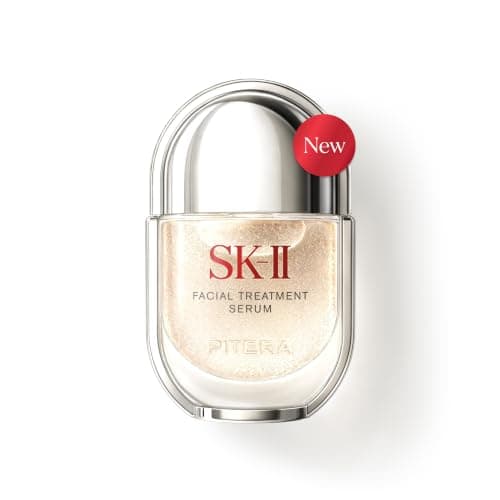
SK-II Facial Treatment Serum, 50 ml micro-oil-bead serum
50 mlFrom Best luxury face serums: textures, sizes and cost per ml
 See price on AmazonAmazon
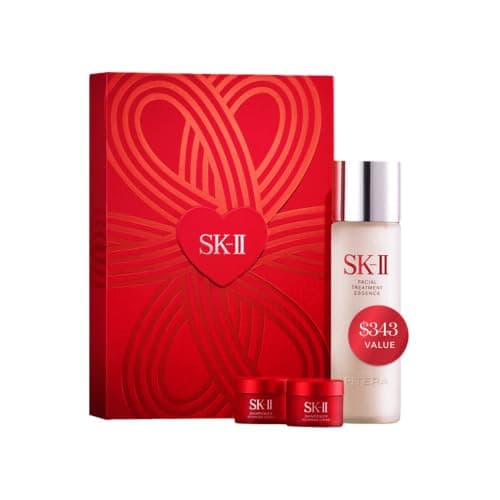
SK-II Timeless Beauty Set, essence plus 2 mini creams
258 ml